
Caring for the Elderly Population
Written by Emily Pazel
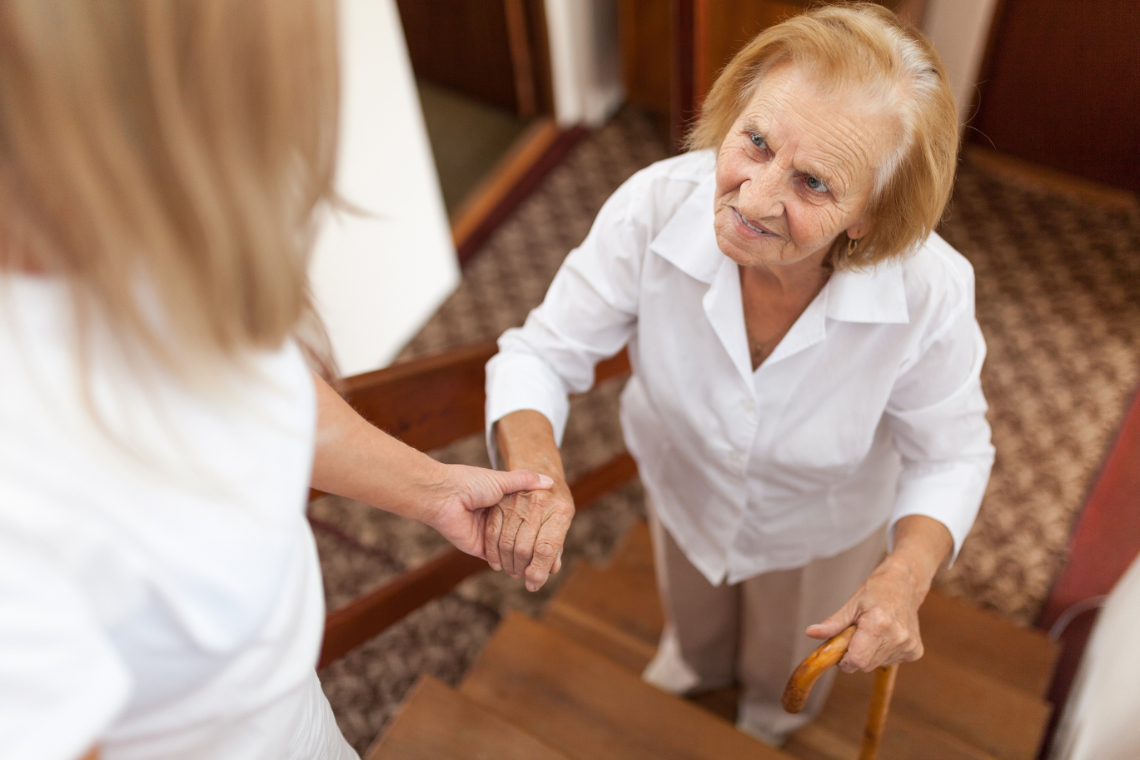
Its no secret that in this day and age, more humans are reaching retirement age and living for many years beyond what used to be expected. Due to this fact, an increasing number of elderly people make up todays population. In 2018, the number of Americans ranging from age 65 and older totaled to around 52 million. And, according to researchers, that number is projected to nearly double to around 95 million by 2060, which would make up about 23 percent of the countrys population.

With the growing number of elderly people throughout the country, there have been some positive developments, such as an increase in education levels and life expectancy, as well as a narrowing effect in the gender gap of life expectancy and that the poverty rate for retirees has dropped over the past 50 years.
However, with every positive development, there have also been challenges. As adults grow older with time, more people are facing challenges of higher divorce rates, living alone, as well as health challenges such as climbing obesity rates, more people taking prescription medications, and a steep rise in the number of people living with Alzheimers disease.
As adults are living longer, we are beginning to see a shift in how long life expectancy has an affect on a persons health, and how it affects those around us such as people caring for the elderly. Lets first take a look at how new health risks have taken a toll on the elderly population.
Health Risks with Elderly Population
Although a great deal of people are living longer, they are also dealing with the consequences of having prolonged health issues. Not only are elderly people visiting doctors offices and hospitals more often, but they are also in constant need of prescriptions refills and often need additional care, such as home health care or nursing home facilities.
Dementia, particularly Alzheimers disease, is one of the most serious health challenges affecting older adults. In 2018, an estimated 5.7 million Americans were living with Alzheimers disease.
Dementia is a syndrome, typically chronic or progressive, that can result from various diseases affecting the brain. It can impair memory, behavior, thinking, and the ability to perform everyday activities.
Rather than being a single disease, dementia encompasses a decline in intellectual functioning that extends beyond memory loss. It may affect language, judgment, problem-solving, and comprehension. Alzheimers disease is the most common cause of dementia in the United States. Most forms of dementia have no cure and progressively lead to greater dependence, ultimately contributing to death.
According to researchers, 1 in 3 older adults will eventually die from Alzheimers or some form of dementia. The condition places a huge burden on the healthcare system, with annual costs exceeding a quarter of a trillion dollars.
Another major concern that elderly people are facing is becoming another statistic of polypharmacy, which is when taking multiple medications leads to great healthcare costs, increased risk of Adverse Drug Reactions (ADR), and medication non-adherence in elderly adults.
While the most frequent medical intervention performed by clinicians is writing a prescription, there are significant side effects associated with the use of medications. Nurses must serve as strong patient advocates while promoting safe healthcare practices. When physicians modify medication regimens, nurses are often responsible for helping patients understand those changes. Polypharmacy remains a significant concern in guideline-driven medicine, particularly among older adults. Nurses therefore play a vital role in evaluating the continued necessity and safety of pharmacotherapy.
Other challenges facing the growing population of elderly adults are the increasing rates of obesity and diabetes, as well as many older adults seeing financial shortages with income and having to work additional years into their retirement than originally planned.
Many younger people also have to step in and take care of family members or friends that need assistance. In the United States alone, about 25 percent of adults around the age of 18 or older have reported providing care or assistance to person with a long-term illness or disability. And caregivers, unfortunately, are at an increased risk for negative health consequences, including stress and depression, and need increased support to preserve their own health.
Taking a Toll on Caregivers
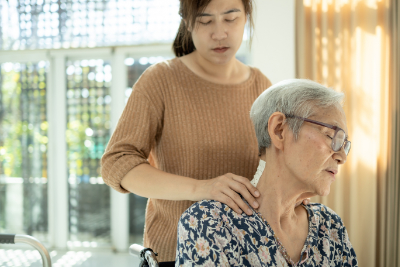
The roles that caregivers take on can either happen gradually, such as tending to someones laundry once in a while or grocery shopping over time. Or, it can happen with a sudden incident, such as someone experiencing a heart attack or physical accident and needing immediate help.
Whether its for a family member, a friend, or the neighbor down the street, taking care of someone is not always an easy task. Some of the tasks that might be accompanied by caregiving include buying groceries, cooking, cleaning, providing transportation, as well as helping the care receiver get dressed, take a shower, or even take medicine.
Its easy to become overwhelmed as a caregiver, but if you follow these recommended steps, you might feel a little better about the situation:
- First Steps: One of the first steps you should take as a caregiver is to identify yourself as one. After identifying yourself as the caregiver to someone, you can help him or her address their own health issues and learn what specific actions you can take to assist them. With their consent and permission, you should offer to talk to them about finances and healthcare wishes, help complete legal paperwork, and bring family and friends up to speed on that persons health.
- Caring for Yourself: Its important to remember that you cant always be perfect, and that you have a right to all of your emotions. Depression is typically one of the most common conditions that a long-term caregiver will experience, and you should try to tackle it head on if you begin to feel any symptoms. Its important to set realistic expectations for yourself and your loved one, as this will help you both in the long run.
- Asking for Help: Caregiving is no easy task, and its imperative to know that you can ask for help and support. According to recent statistics, about 50 percent of caregivers get no outside help. So, its good to know that there are support groups online and in your community that you can join and find someone to talk to. People can join forces and provide you with services and opportunities that you might not have otherwise known about.
Taking care of someone comes with many challenges, but also offers a sweet reward of knowing that you are making a difference in someones life. Its one thing to gear up for a short-term crisis, but sometimes life doesnt always work out that way and you may have to provide care over a longer period of time. Its good to be prepared for your journey ahead and know that you first have to take care of yourself in order to take care of your loved one.
Lastly, one of the most important things you can take away as a caregiver is being a companion. Many times, the person you are taking care of just needs someone to talk to just as much as they need your help physically. Its important to remember that as a caregiver, you are making an effort to ensure that your loved one lives a happy, healthy, and long life.