
Occupational Therapy Resource Guide
Written by Claire Whitmore
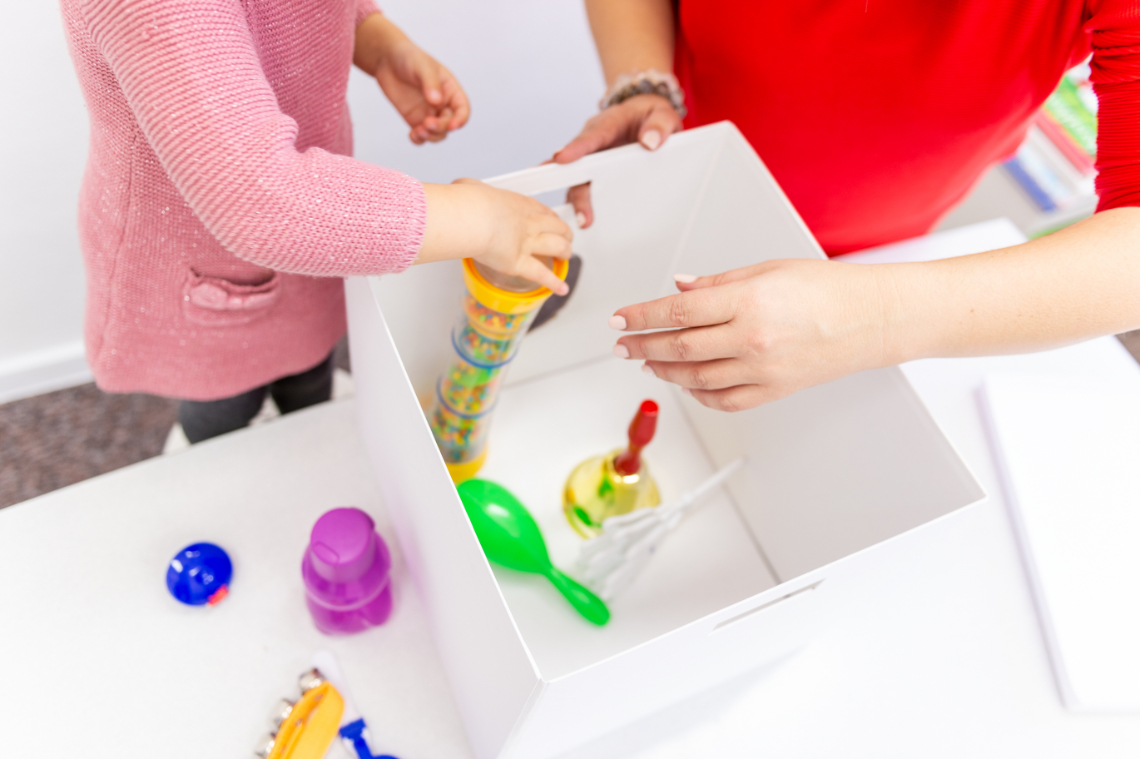
Occupations make up our daily lives. As children, these occupations include playing, learning, and socializing. However, sometimes, children struggle with those skills for one reason or another and need the help of occupational therapy to succeed in their cognitive, physical, and sensory development. The goal of an occupational therapist is to assess and treat kids and adults alike who are struggling with fine motor skills, self-care skills, self-concept and cognitive functions, and sensory discrimination and processing. An occupational therapist can help kids and adults with the education necessary to learn or relearn these skills and be able to handle day-to-day activities.

Sensory Processing Resources
- Sensory Processing Disorder: This page from the U of M Health Library offers an overview of what sensory processing disorder is, what causes it, and who is usually affected by it.
- Sensory Processing Issues Explained: Learn about what sensory processing issues are and the common behaviors that manifest in children who have these issues.
- Understanding Sensory Processing Issues: This in-depth overview of sensory processing issues includes a fact sheet, parent point of view, videos, and sensory travel kit creations.
- How to Assess and Treat Sensory Processing Disorder: Sensory Processing Disorder (SPD) is common in children who have autism, and treatment for SPD includes occupational therapy and sensory integration challenges.
- Occupational Therapy Using a Sensory-Integration-Based Approach With Adult Populations: Sensory issues can lead to poor self-regulation, motor planning, and skill development, but occupational therapy with a focus on sensory integration can help adults to deal with home management, work, and social activities.
- Sensory Overload: Occupational Therapy Benefits: This article by CentraState Health goes over the benefits of occupational therapy for children with sensory processing disorders and how it can help them to acquire or improve skills essential for performing day-to-day activities.
Fine and Visual Motor Resources
- Hand Strengthening and Writing Combinations: This paired activity is great for occupational therapists who are low on time but have a lot to accomplish, as it combines multiple fun and educational exercises with a focus on hand-strengthening techniques.
- Printable Connect-the-Dots Activities: Connect-the-dots activities for kids can be fun as well as help to improve fine motor skills.
- How to Draw a Flower: Drawing exercises can also help with fine motor control.
- Pincer Grasp Fine Motor Skill Activity: This activity uses household items to develop fine motor skills, so parents can use it at home to help their children practice and improve.
- What Is Visual Motor Integration? Learn about what visual motor integration is, what the deficit signs are, and easy activities that can be done to improve this skill.
Therapy Products
- What Is a Sensory Toy, and How Do They Help? Autism Speaks published this article about what sensory toys are and why they are helpful for children with autism.
- The Benefits of Sensory Toys and Support Tools: People with SPD can misinterpret everyday sensory information, which can lead to feeling overwhelmed.
- How to Implement Sensory Toys During Play and Learning: This article from Autism Parenting Magazine discusses how sensory toys are not only beneficial for therapy but can also be used for play and learning.
- What Sort of Supplies Should a Pediatric Occupational Therapist Have? Find out about the basic supplies a new pediatric occupational therapist should have and what skills they can be used to help improve.
- What Are the Different Types of Occupational Therapy Equipment? This page discusses the importance of the different types of occupational therapy equipment and how they can be used to assist people in developing and improving their skills.
Materials and Resources
- Therapy Street for Kids: Sensory Processing: Find strategies for calming the senses when children feel overwhelmed here.
- Occupational Therapy Activities: This list of easy activities can be done anywhere with help from a therapist or parent to help kids improve cognitive and motor tasks. These activities can boost engagement and improve kids' self-esteem!
- Occupational Therapy Home Activities: These activities can help with fine motor skills, visual motor, sensory, and self-help skills in children and are simple enough to do at home in just a few minutes.
- Occupational Therapy and Physiotherapy Home Activities: Try these activities to work on skills at home between OT appointments.
- School-Based Occupational Therapy Activities: This in-depth page from Positive Psychology details interventions and improvements occupational therapists can try, the best way to take notes on each therapy session, and templates for new activities.
- Fine Motor Skills for Adults: Children aren't the only ones who benefit from occupational therapy. Adults sometimes need help regaining skills that they may have lost for one reason or another, and these simple activities can help them relearn the life skills they need.