
You Are What You Eat
Written by Emily Pazel
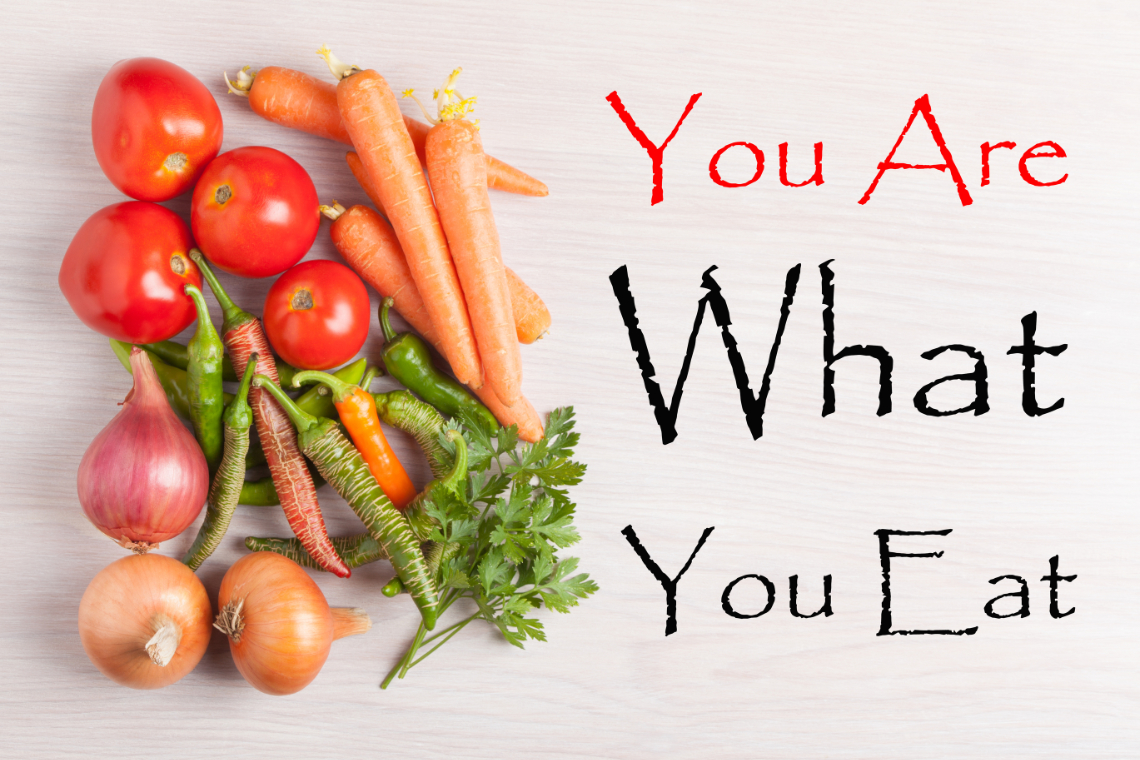
Have you ever heard the phrase you are what you eat? Well, theres a solid reasoning behind that saying that helps people make better decisions when it comes to food and eating healthier. In todays world, its easy to get busy with our everyday lives and find less time to cook healthy meals or make better decisions about what to eat. Therefore, we see an uptick in eating greasy fast foods, microwaving up prepared/processed foods or just flat out indulging in food that isnt necessarily good for our bodies.
Keep reading
Great Snacks to Keep Diabetes at Bay
As nurses, you dedicate your lives to taking care of ot . . .
The Keto Diet: Will it Enhance My Performance?
By now, you’ve probably encountered a friend or family . . .
Trying To Make Healthy Food Choices, Nurses? Don’t Fall For These Traps
Twelve-hour shifts and “barely there” lunch breaks can . . .
Another reason why you may be seeing a little extra weight on the scale lately is because you might have been cooped up in the house for a few months while self-quarantining during the global pandemic. And while you were self-isolating, everything in your kitchen pantry looked simply irresistible and extremely delicious. Now that social distancing guidelines are loosening up, however, its time to get back out of those comfy pants and concentrate on being a little more food-conscious when it comes to what you eat.
As you know, there are hundreds of different diets that you can try and thousands more blogs and video tutorials out there on dieting, eating healthy and so on. So, how do you know whats best to eat? Much of it stems from your own personal dietary needs. Every persons metabolism is different, and you might digest your food more slowly or more quickly than the person sitting next to you. But for the purpose of this blog, well break down some of the more basic concepts about eating healthy so that you can make an informed decision for yourself.
What types of foods are best?
For much of the country, summer is already here with warmer temperatures heating things up outside, and making time for swimming in the pool or boating on the lake and river is more tempting than usual. But what about that new bathing suit you bought off the internet during your downtime in quarantine? Maybe you were a little ambitious and bought a size or two down from your current situation and need to lose a few pounds?
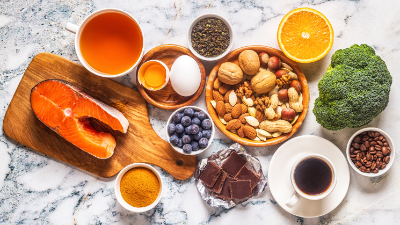
Here are a couple different foods, according to Healthline, that could help you lose some extra unwanted pounds to get you out of those comfy sweatpants:
- Whole eggs: High in protein and healthy fats, a couple of eggs for breakfast could help you maintain a balanced diet throughout the day; eggs not only provide good nutritious value, they also help create a satisfying feeling of being full and therefore snacking less throughout the day
- Leafy greens: The leafy greens family that were talking about here includes kale, spinach, collards, swiss chards and others; these low-calorie foods that are loaded with fiber are a great way to increase the volume of your meals without increasing the added calories; leafy greens are also known to be filled with many vitamins, antioxidants and minerals, such as calcium
- Salmon: Not only is salmon loaded with high-quality protein, healthy fats and various nutrients, its also shown to have high amounts of iodine, which helps with proper thyroid function, and omega-3 fatty acids, which help reduce inflammation; other types of fish that produce similar health benefits include mackerel, trout, sardines and herring
- Cruciferous vegetables: This type of family of vegetables includes broccoli, cauliflower, cabbage and brussels sprouts; these foods are high in fiber and tend to be incredibly filling, which helps with your overall caloric intake
- Lean beef and chicken breast: Although meat can be tricky because a lot of times its processed, eating lean beef and chicken breasts are a great way to get your daily protein; Protein is by far the most filling nutrient and eating a high-protein diet can help you burn more calories per day
- Beans and legumes: Eating lentils, black beans, kidney beans and others have been shown to help with weight loss due to their high in protein and fiber contents
- Cottage cheese: Dairy products tend to be high in protein and cottage cheese typically has the lowest number of calories, making it a high-protein, low-calorie food for your diet; it also contains a high amount of calcium, which helps with burning fat
- Nuts: Although nuts tend to be high in fats, they arent as fattening as you would expect; they contain balanced amounts of protein, fiber and healthy fats, which makes them excellent for snacking on throughout the day
- Whole grains: Whole grains, such as oats, brown rice and quinoa, are loaded with fiber and contain some protein which are good to eat a balanced diet; You have to be careful though because some foods that have whole grains on the label are highly processed and can be harmful and fattening
- Fruits: Fruits can be a hit or miss depending on who you talk to; although they do contain natural sugars, they have a low energy density and take a while to chew, plus they typically have good amounts of fiber; many dieticians believe that fruits are perfectly okay to have in your diet
Although this is just a small sample of foods that are healthier options to fill your tummies with, be sure to research all your options that could play a role in making you an overall healthier person. As far as what not to eat lets get to that next.
Why should we avoid fatty foods?
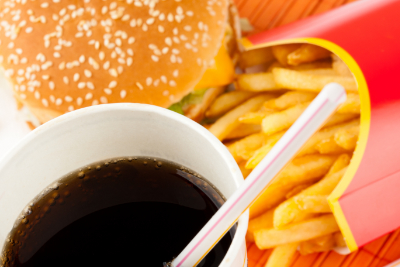
Obesity is a great challenge for this country as studies have shown that greater than one-third of the adult population in the United States is obese, and it all stems from the food that you eat and the lifestyle that you live.
Food is deeply embedded in our culture, with many social events centered around eating. High-calorie foods are common in workplaces, and fast-food restaurants are widely available. Although fast food alone does not determine whether a person develops obesity, frequent high-calorie choices can contribute to weight gain. For example, a hamburger, small fries, and diet soda provide approximately 500 calories, while a double cheeseburger, large fries, and large soda provide approximately 1,450 calories.
And obesity doesnt just affect us as adults, as children can be obese as well, especially with sedentary lifestyles and poor eating habits that can be created early on from parents and the society around them. Its important to start healthy eating habits from a young age to ensure better eating choices as an adult.
So, what exactly causes obesity? When your energy intake is greater than energy output, the body stores the extra energy as fat. Energy intake meaning, the amount of energy you put in your body in the form of food and drinks. Research has shown that one pound of energy is equal to 3,500 calories. So, in order to gain one pound of fat, an excess of 3,500 calories needs to be created.
While having long shifts at the hospital might be ideal for your work schedule, sometimes it can be tough to maintain a healthy eating, diet and exercise routine. If youre looking to lose weight, here are a few suggestions:
- Eat fewer calories that you expend
- Know your body mass index and what your weight goal is
- Engage in a safe and effective exercise program
- Maintain a healthy diet with plenty of fruits and vegetables, complex carbohydrates, low fat dairy and lean protein sources
- Reduce the quantity of saturated fat in your diet
Eating a balanced diet of healthy foods not only helps you feel more confident as you shed those comfy pajama pants for a bathing suit, it can potentially save your life. Obesity is linked to having complicated health problems such as common diseases, chronic diseases and can reduce the overall quality of your life. So, the next time you are stuck in the house under quarantine demands, try stocking your fridge with healthier alternatives so that you can feel better about your eating habits.
Keep reading
Great Snacks to Keep Diabetes at Bay
As nurses, you dedicate your lives to taking care of ot . . .
The Keto Diet: Will it Enhance My Performance?
By now, you’ve probably encountered a friend or family . . .
Trying To Make Healthy Food Choices, Nurses? Don’t Fall For These Traps
Twelve-hour shifts and “barely there” lunch breaks can . . .