
Preeclampsia: What You Need to Know
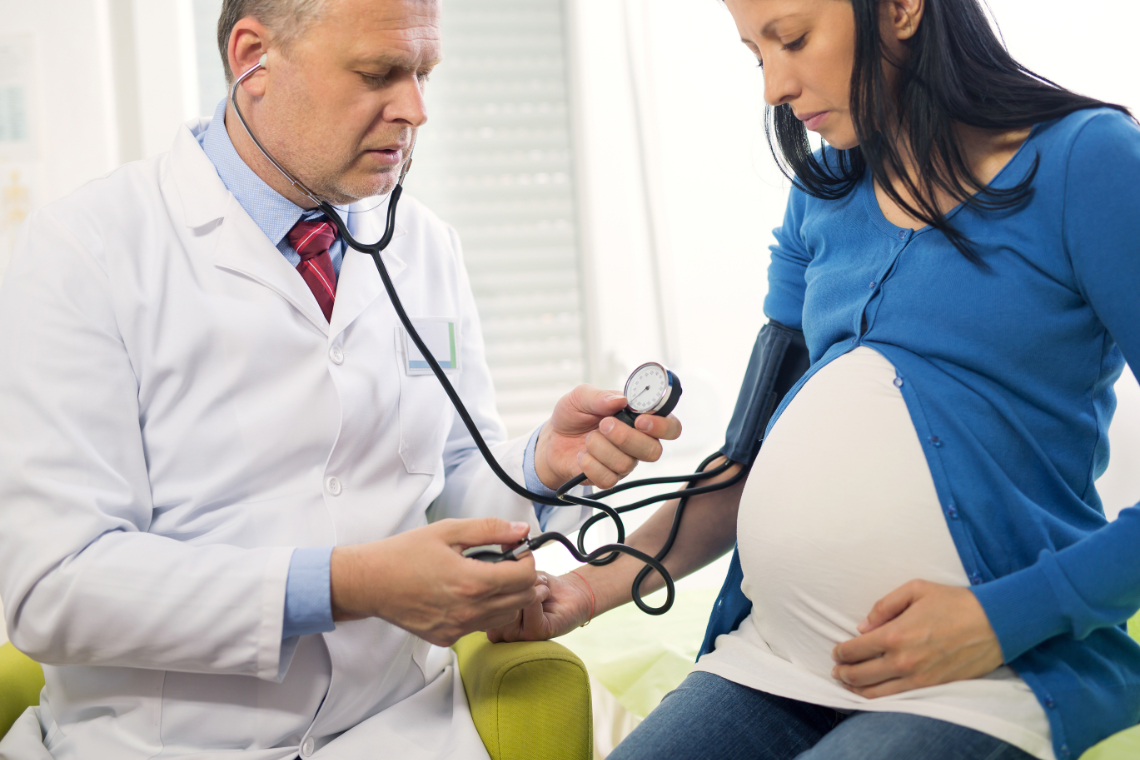
You may have known someone who experienced a complication during their pregnancy and delivery called Preeclampsia. And hopefully, whoever that person was, received the proper medical care they needed to have a safe delivery, but it doesnt always work out that way. In fact, the World Health Organization estimates that preeclampsia is responsible for 70,000 maternal deaths annually around the world.
Although modern medicine has come a long way, preeclampsia is still a very large complication to experience while being pregnant. Preeclampsia and elevated blood pressure during pregnancy are serious concerns that require prompt evaluation and appropriate management.
So, while you might know someone that had this health issue, you might also know they may have had to undergo a lot of special monitoring, treatment and may have issues long after discharge. Lets learn a little more about this complication.
What is Preeclampsia?
Preeclampsia, per the Mayo Clinic, is a pregnancy complication that includes high blood pressure and signs of damage to another organ system, most often the liver and kidneys. Typically, signs of this complication begin around 20 weeks of pregnancy and if left untreated, can lead to serious even fatal complications for both the mother and the baby.
If you are in the medical field and you need to be more specific, Preeclampsia is define as:
Preeclampsia is defined by SBP ≥ 140 or DBP ≥ 90 accompanied by proteinuria, with or without other signs or symptoms. It may also be diagnosed without proteinuria when associated signs, symptoms, or laboratory abnormalities are present.
Preeclampsia with severe features is defined by one or more of the following:
Systolic BP of 160 mm Hg or higher, or diastolic BP of 110 mm Hg or higher, on 2 occasions at least 4 hours apart while the patient is on bed rest, unless antihypertensive therapy is initiated before this time
Thrombocytopenia, indicated by a platelet count less than 100,000/microliter
Impaired liver function, indicated by blood concentrations of liver enzymes elevated to twice normal concentration
Severe, persistent right upper quadrant or epigastric pain that does not respond to medication and cannot be explained by an alternative diagnosis
Progressive renal insufficiency, indicated by a serum creatinine concentration greater than 1.1 mg/dL or a doubling of the serum creatinine concentration in the absence of other renal disease
Pulmonary edema
New-onset cerebral or visual disturbances
Eclampsia is diagnosed when a woman with preeclampsia develops seizures.
Although Preeclampsia occasionally develops without any symptoms, there are a few symptoms you can go by. Monitoring your blood pressure is an important part of prenatal care because the first sign of this pregnancy complication is very commonly a rise in blood pressure. However, here are a few more symptoms you can look for:
- Excess protein in your urine (proteinuria) or additional signs of kidney problems
- Severe headaches
- Changes in vision, including temporary loss of vision, blurred vision or light sensitivity
- Upper abdominal pain, usually under your ribs on the right side
- Nausea or vomiting
- Decreased urine output
- Decreased levels of platelets in your blood (thrombocytopenia)
- Impaired liver function
- Shortness of breath, caused by fluid in your lungs
When a mother exhibits these symptoms and is diagnosed with this serious complication, there are risks involved for not only the mother, but the baby too. When women are diagnosed with this disease, they become at risk for damage to kidneys, liver, brain and other organs and blood systems. It may also affect the placenta because it could cause a placental abruption, preterm delivery, intrauterine growth restriction and even stillbirth.
Although weve come a long way in modern medicine, there are still a lot of risks involved. However, back in the old days, there was little-to-no hope that a mother and child would even survive a birth with this condition. Lets take a look at how this complication is treated.
How to Treat Preeclampsia
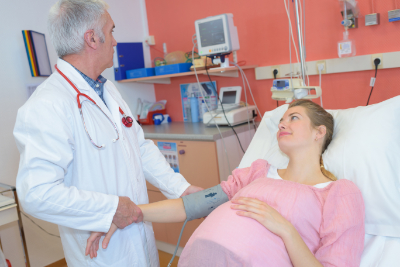
Interestingly enough, the most effective way to treat preeclampsia is delivery. Once you have been fully diagnosed, you are at increased risks for seizures, placental abruption, stroke and possibly severe bleeding until your blood pressure decreases. However, if its too early in your pregnancy to deliver, delivering is not really an ideal treatment.
If you are diagnosed, its most likely that youll be called in for more visits with your doctor. You might also need more frequent blood tests, ultrasounds and non-stress tests than would be expected in an uncomplicated pregnancy.
Per the Mayo Clinic, this is most likely what you will encounter for treatments:
- Medications: Medications to lower blood pressure. These medications, called antihypertensives, are used to lower your blood pressure if it's dangerously high. Blood pressure in the 140/90 millimeters of mercury (mm Hg) range generally isn't treated.
- Although there are many different types of antihypertensive medications, a number of them aren't safe to use during pregnancy. Discuss with your doctor whether you need to use an antihypertensive medicine in your situation to control your blood pressure.
- Corticosteroids. If you have severe preeclampsia or HELLP syndrome, corticosteroid medications can temporarily improve liver and platelet function to help prolong your pregnancy. Corticosteroids can also help your baby's lungs become more mature in as little as 48 hours an important step in preparing a premature baby for life outside the womb.
- Anticonvulsant medications. If your preeclampsia is severe, your doctor may prescribe an anticonvulsant medication, such as magnesium sulfate, to prevent a first seizure.
- Bed Rest: This used to be a very common practice back in the day, however, research hasnt shown a benefit from this practice; and it can increase your risk of blood clots, as well as impact your economic and social lives. For more women, bed rest is no longer recommended.
- Hospitalization: If you develop severe enough preeclampsia, it may require you to be hospitalized; by placing you in the hospital, you doctor can monitor your more closely, perform regular non-stress tests or biophysical profiles to monitor your babys well being and measure the volume of amniotic fluid.
- Delivery: If you are near the end of your pregnancy, your doctor may recommend inducing labor right away. In severe cases, it may not be possible to consider your babys gestational age or the readiness of your cervix. If its not possible to wait, your doctor may induce labor or schedule a C-section right away.
After delivery, it could take some time before you see a change in high blood pressure and other preeclampsia symptoms. Preeclampsia can make for a very complicated pregnancy. Back in the past, without modern medicine, very few mothers survived this condition. Its very important for nurses and providers to know and understand this condition, as well as be able to educate others on the subject.
When you become pregnant, its very important to go to your prenatal visits so that your healthcare provider can monitor your blood pressure and more everything looks okay. If you begin to have severe headaches, blurred vision, severe pain in your abdomen or shortness of breath, contact your doctor immediately or go to an emergency room. Even if you ever become concerned with symptoms, try to make an appointment to at least get checked over. Getting treatment early and swiftly is essential to helping achieve the best outcome of this complication. So, make sure to attend your checkups, become knowledgeable about the disease and try to help others learn about it too.
Keep reading
The Evolution of Blood Pressure Measuring
Having your blood pressure checked and monitored by a m . . .
What to Expect as a Full-Time Working Mama-to-be
It is fairly common for women to become pregnant and re . . .

You Are What You Eat
Have you ever heard the phrase – “you are what you eat? . . .